
The PROCULTHER-NET Community Moves Towards the Definition of Shared Operational Tools at European Level. 80 experts from 20 countries contributed to refining damage assessment forms for cultural heritage.
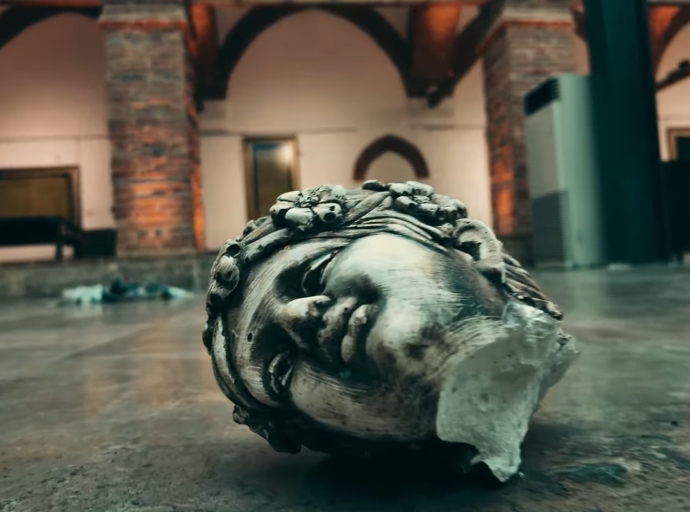
The PROCULTHER-NET Community Moves Towards the Definition of Shared Operational Tools at European Level. 80 experts from 20 countries contributed to refining damage assessment forms for cultural heritage.
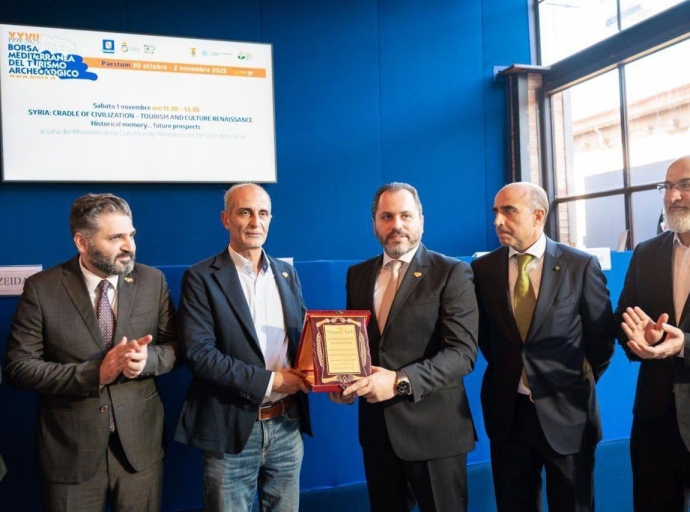
Rebuilding Heritage, Reconnecting Worlds: An Interview with Anas Haj Zeidan at the BMTA Paestum 2025
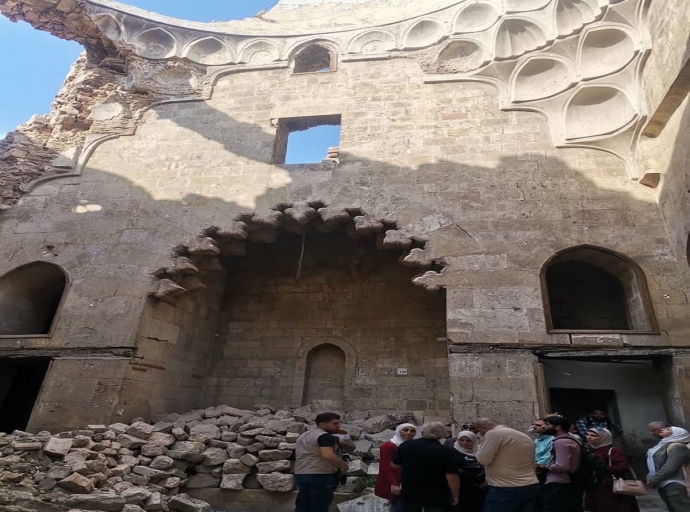
“Tourism as a Bridge for Peace”: The Syrian Minister of Tourism on Reopening, Heritage Protection, and International Cooperation
VERUS DIGITAL, founded in 2023 as a Fraunhofer IGD spin-off, develops hardware, software, for creating 3D digital content with high fidelity both in geometry and color.

La 4ª Conferenza di Doha sul Contrasto al Traffico Illecito di Beni Culturali si svolge dal 21 al 24 settembre 2025 presso la Qatar National Library, organizzata in collaborazione con l’Ufficio regionale UNESCO per gli Stati del Golfo e lo Yemen e con il sostegno delle ambasciate di Stati Uniti, Francia e Italia.


Archeomatica is a multidisciplinary journal, printed in Italy, devoted to the presentation and the dissemination of advanced methodologies, emerging technologies and techniques for the knowledge, documentation, safeguard, conservation and exploitation of cultural heritage.
The journal aims to publish papers of significant and lasting value written by scientists, conservators and archaeologists involved on this field with the diffusion of specific new methodologies and experimental results. Archeomatica will also emphasize fruitful discussion on the best up-to-date scientific applications and exchanging ideas and findings related to any aspect of the cultural heritage sector.
Archeomatica is intended also to be a primary source of multidisciplinary and divulgatia information for the sector of cultural heritage.
The journal is divided in three sections :
Documentazione (Survey and documentation),
Rivelazioni (Analysis, diagnostics and monitoring),
Restauro (Materials and intervention techniques).
The issues are also published on line at the website www.archeomatica.it
Archeomatica invites submissions of high-quality papers and interdisciplinary works for the next issues in all areas related to science and technology in cultural heritage, particularly on recent developments.
If you are interested please submit an original paper to
http://www.mediageo.it/ojs/index.php/archeomatica/information/authors
or you can send an email to:
The papers will be subject to review by the scientific board after which they are accepted or rejected in order to maintain quality. Applicants will be notified by email as to their acceptance.
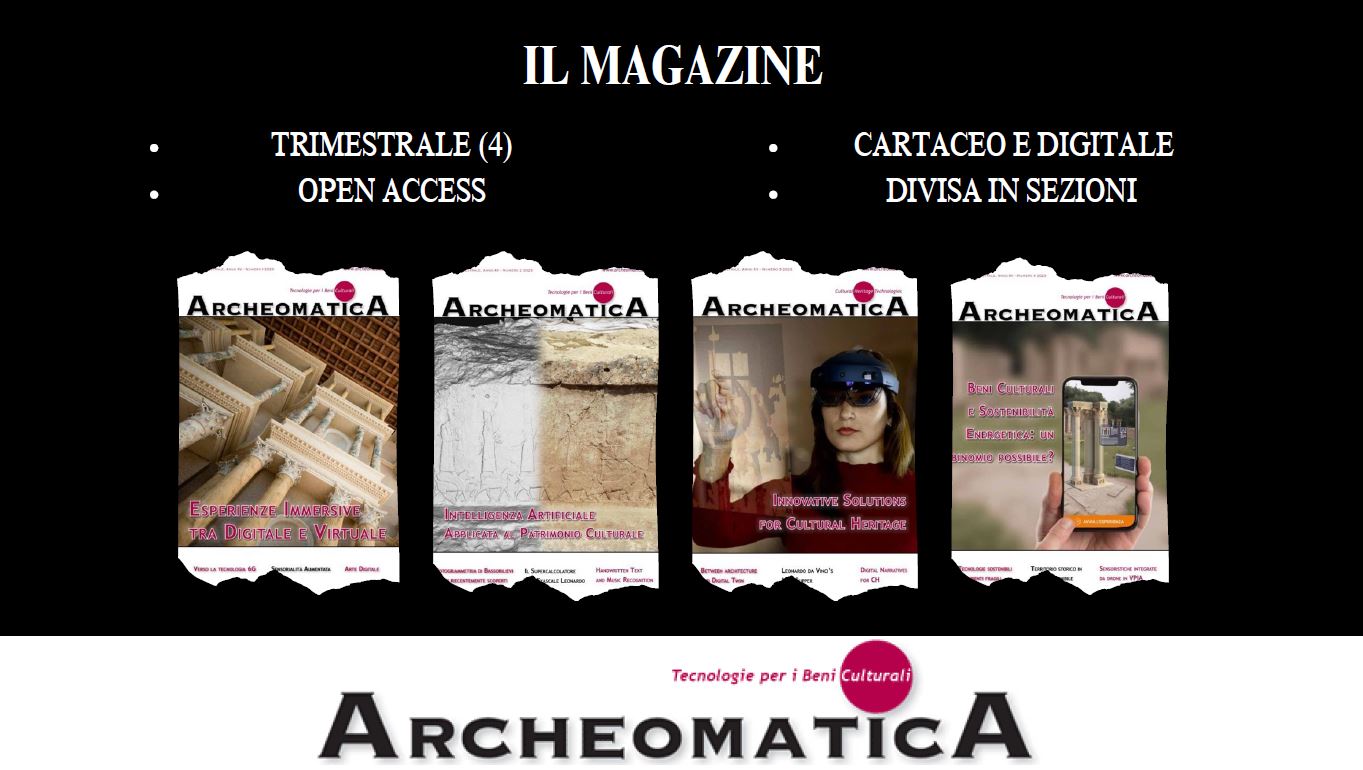
Every year we publish four issues in Italian with a dedicated section in English called GUEST PAPER and an additional special issue completely in English. For each issue we try to propose a specific theme to a given scientific field of research. This year we will explore the following topics, but it is possible to send an application request for an issue you are interested in even if the theme of the proposed article does not fall exactly within the topic of the issue:
Archeomatica 1 – 2025 – Geomatics and Conservation – Laboratories
Deadlines for abstract/articles 30 MARCH
Publication MAY 2025
Archeomatica 2 – 2025 – Non-invasive investigations of the subsoil
Deadlines for abstract/articles 15 MAY
Publication JULY 2025
Archeomatica 3 – 2025 – Museums, Holograms, AR/VR/MR
Deadlines for abstract/articles 15 SEPTEMBER
Publication NOVEMBER 2025
Archeomatica 4 – 2025 – Archaeology: Artificial Intelligence, monitoring, image analysis, Mapping for Archaeology
Deadlines for abstract/articles 15 OCTOBER
Publication DECEMBER 2025
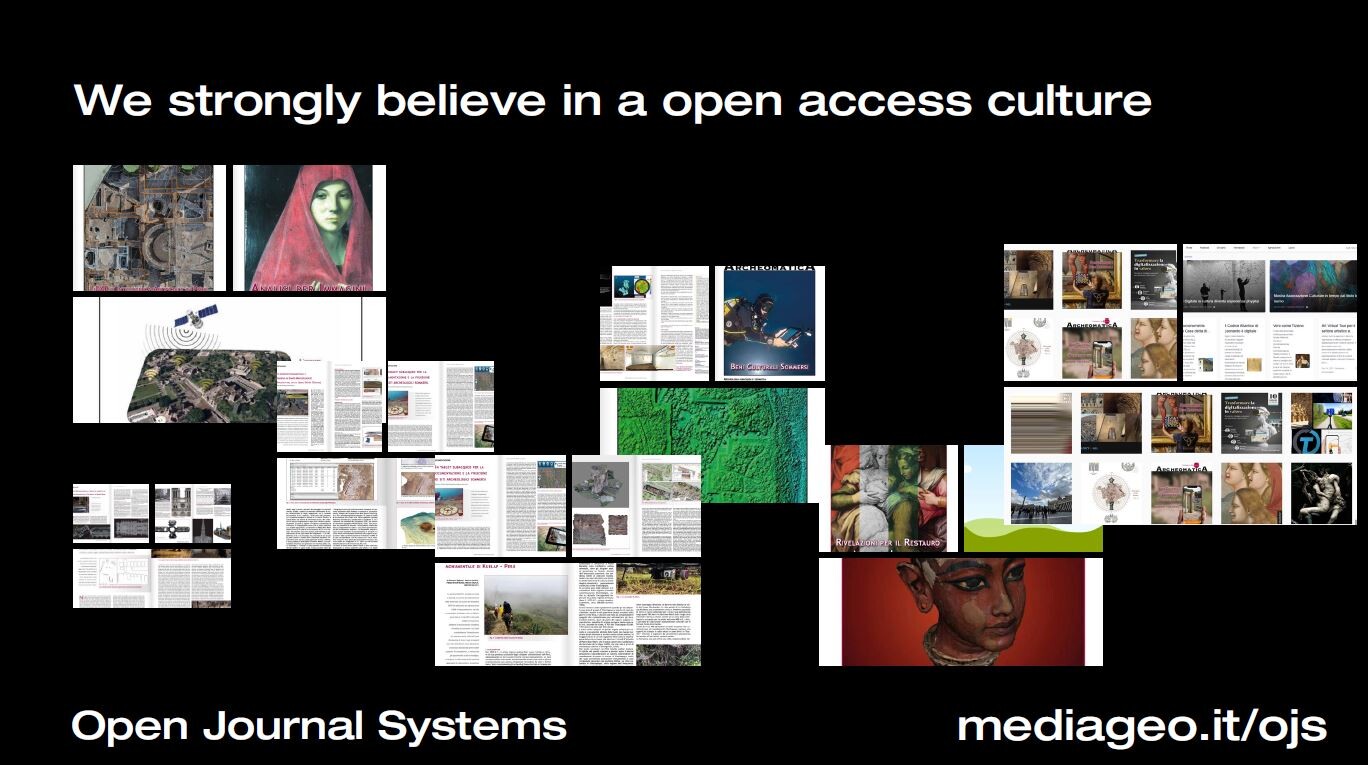
Topics and trends relevant to the Archeomatica Issues include, but are not limited to, the following:
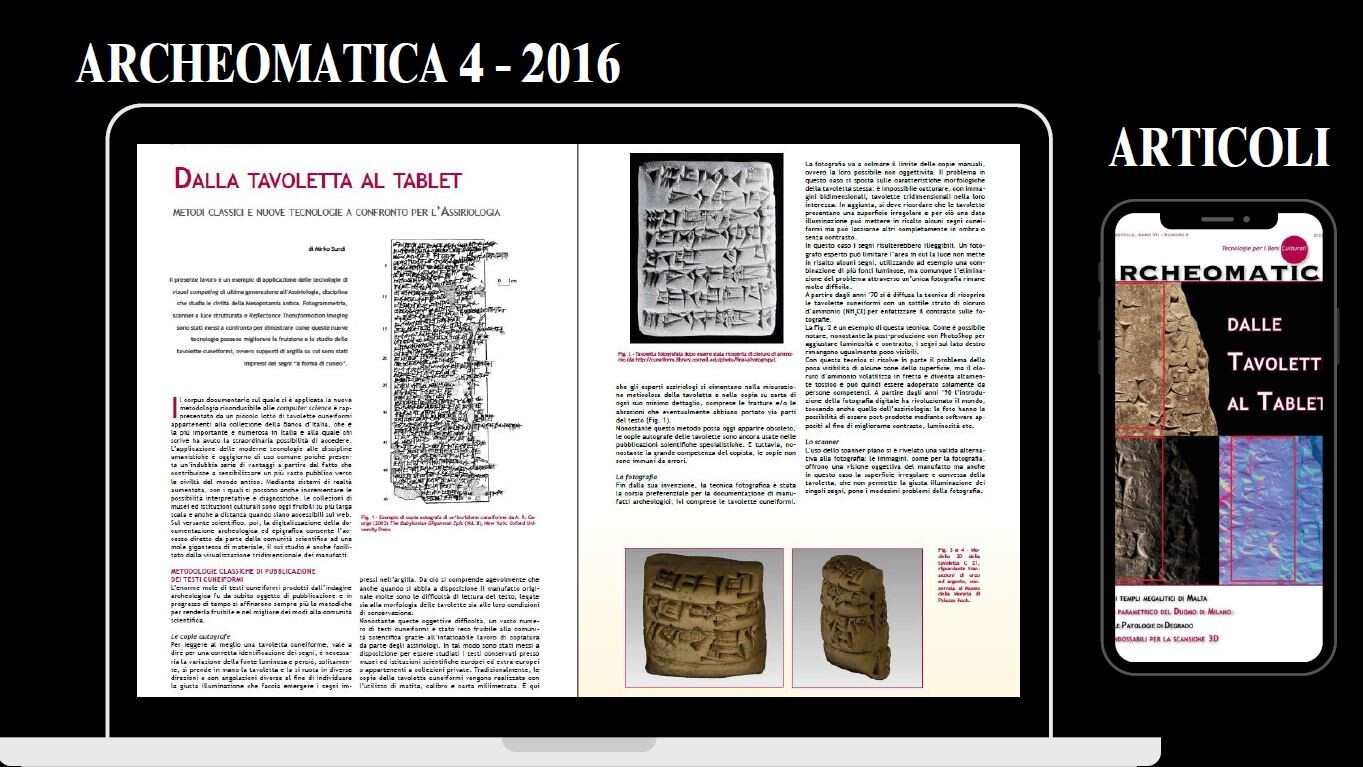
Publication Frequency
The journal is published quarterly a year
Submission Preparation Checklist
As part of the submission process, authors are required to check off their submission's compliance with all of the following items, and submissions may be returned to authors that do not adhere to these guidelines.
Language
The journal is published in Italian but guest Papers in English, French and Spanish are accepted and welcomed. We do have a special ISSUE completely in english once a year.
Copyright Notice
Copyright for articles published in this journal is transferred by the authors to the journal.
By virtue of their appearance in this journal, articles can be reproduced or copied in whole or in part, with proper attribution, in educational and other non-commercial settings.
Interested authors should download and read the Instructions to Authors Manual for all details of requirements, procedures, paper mechanics, referencing style, and the technical review process for submitted papers.
Color diagrams, figures, and photographs are encouraged. Papers should be submitted in a plain text, single-spaced Word or RTF file. Formatting should be kept to an absolute minimum. Do not embed graphics, tables, figures, or photographs in the text, but supply them in separate files, along with captions.
Papers, diagrams, tables, etc. should be emailed as attached files to the email address listed in the Instructions Manual.
Redazione Archeomatica
The Heritage Management Organisation designed this questionnaire to obtain information about the training needs of individuals working in the creative industries, culture, or heritage.

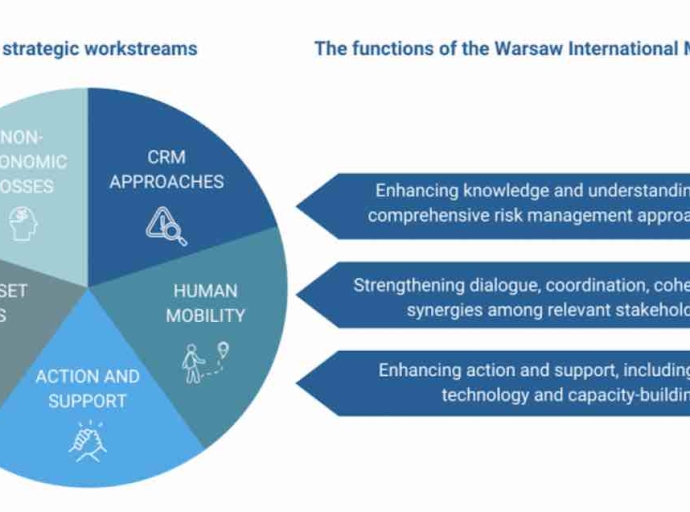
The COP established the Warsaw International Mechanism for Loss and Damage associated with Climate Change Impacts (Loss and Damage Mechanism), to address loss and damage associated with impacts of climate change, including extreme events and slow onset events, in developing countries that are particularly vulnerable to the adverse effects of climate change at COP19 (November 2013) in Warsaw, Poland.
Uncovering future trends and challenges for research and innovation in cultural heritage is the aim of the Alliance for Research on Cultural Heritage in Europe’s (ARCHE) foresight workshop that took place online on April 4th 2023.

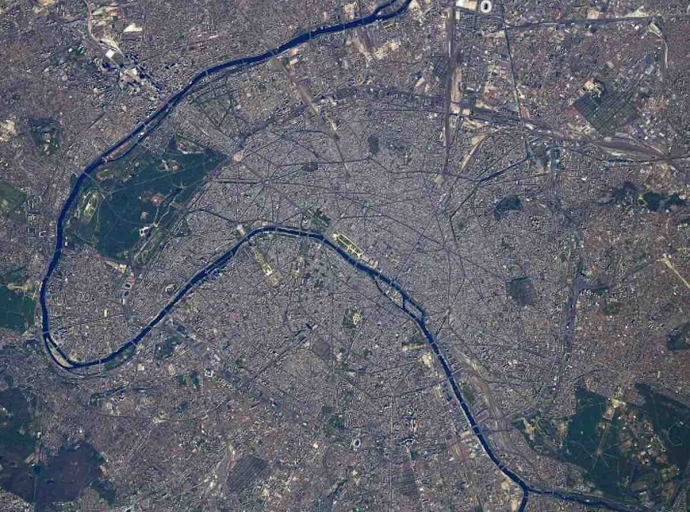
With Paris preparing to host the summer Olympics this year, the Seine has found its way back into the spotlight, as city officials scramble to get it clean enough for swimming before the competition begins. But it’s not the first time the river has attracted this kind of attention.
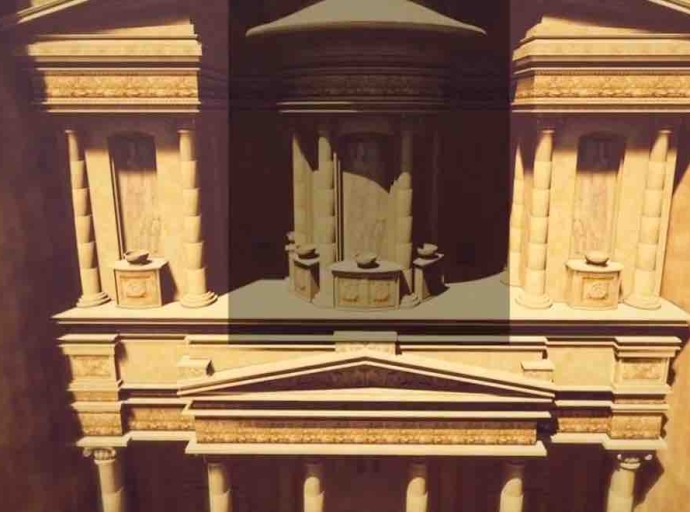
The Mediterranean UNESCO cultural heritage needs new techniques to improve its level of interpretation, taking advantage of new technologies and commercialising the latest research results.
A problem with synthetic aperture radar (SAR) is that, due to the poor penetrating action of electromagnetic waves inside solid bodies, the capability to observe inside distributed targets is precluded.

Archeomatica.it è una testata telematica registrata in data 5 marzo 2026 al n. 28/2026 del Registro Stampa del Tribunale di Roma. Direttore Responsabile: Michele Fasolo.