
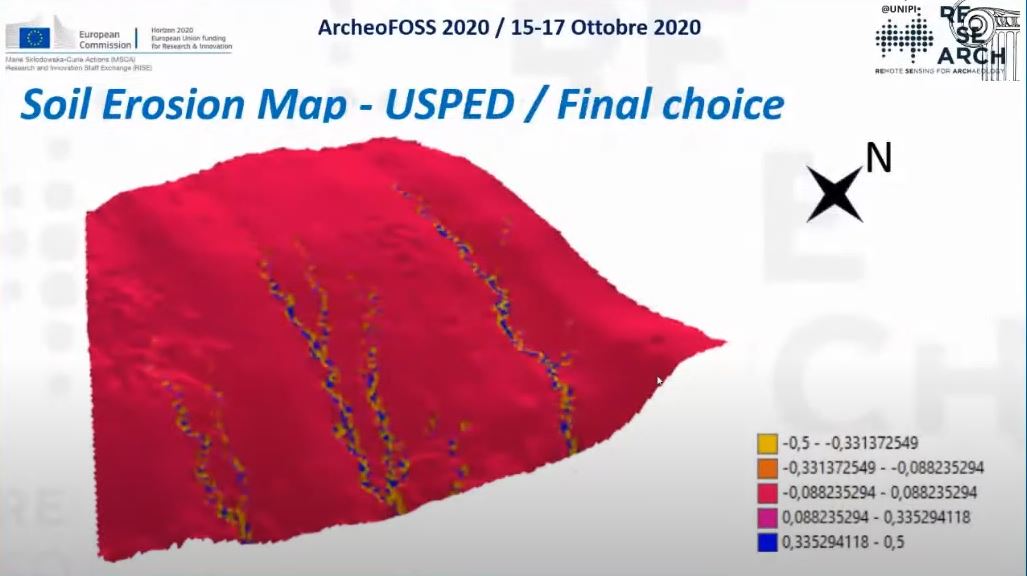
Today, there is an increasing use of airborne sensors in archaeology, especially to investigate the surface of vast territories quickly and accurately.

Today, there is an increasing use of airborne sensors in archaeology, especially to investigate the surface of vast territories quickly and accurately.
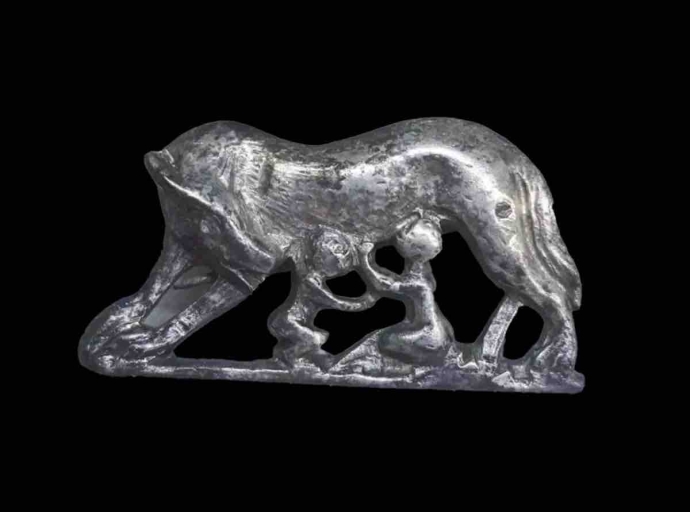
An archaeological find in Spain is poised to stir up discussions around the most iconic symbol of the Eternal City: a silver brooch depicting the Capitoline Wolf suckling the twins.
UNESCO has launched a new digital platform, the UNESCO Urban Heritage Atlas that leverages the power of digital technology to support the conservation and management of the world’s historic cities and promote their diversity.

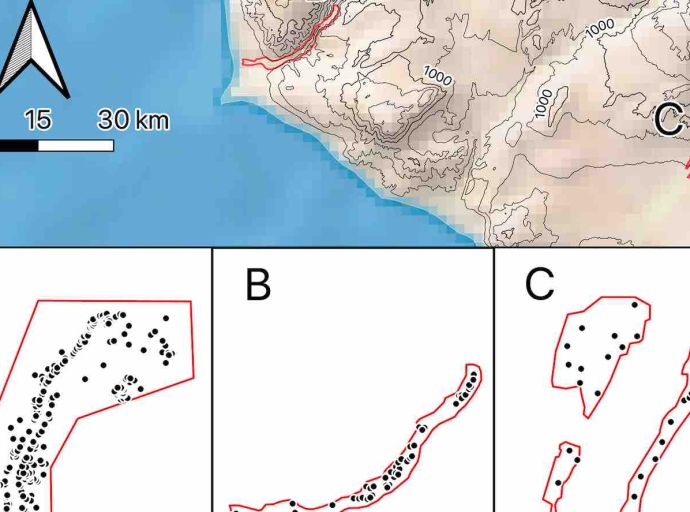
In the ever-advancing realm of archaeological exploration, a groundbreaking study once again emphasizes the expanding role of remote sensing technologies, especially satellite imagery, in redefining investigations across extensive territories.
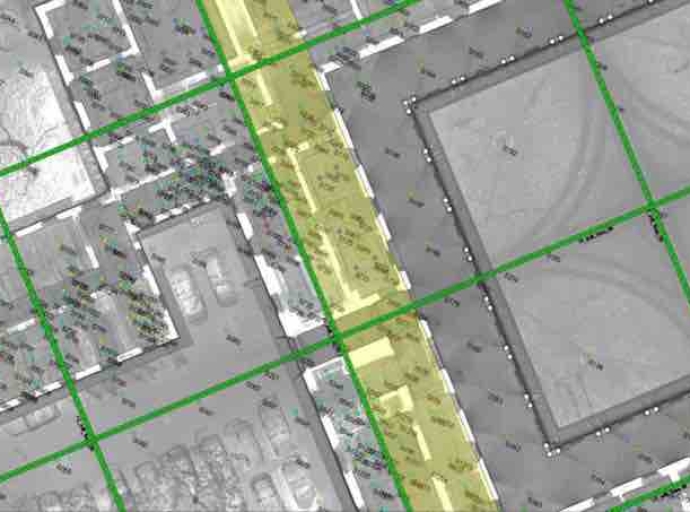
This paper presents a methodology for creating a comprehensive heterogeneous 3D dataset for the structural evaluation of a historic building by using both non-destructive and destructive surveys combined with historical information.
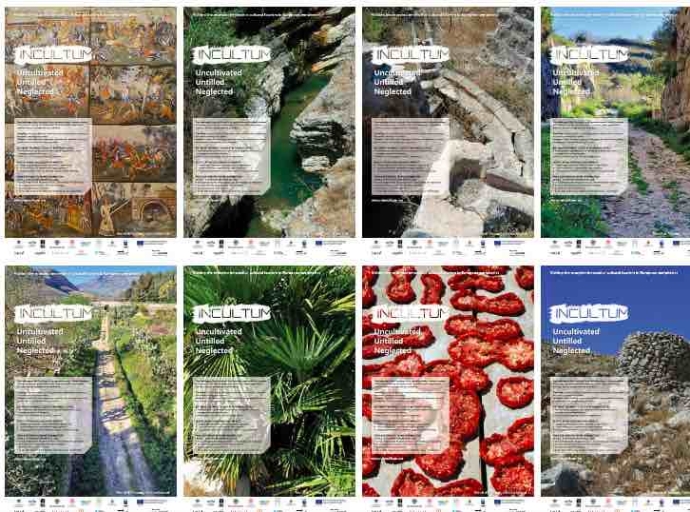
INCULTUM (Visiting the margins INnovative CULtural ToUrisM in European peripheries) is a three years innovation action funded by the European Union under the Horizon 2020 Programme, with the goal to explore the challenges and to unlock the potential of under-rated destinations when managed by local communities and stakeholders.
The first Conference on Cultural Heritage and New Technologies took place in Vienna in November 1996, at that time still under the name "Workshop Archaeology & Computers", with 60 participants from Austria, Germany and Switzerland.

BPOC – BALBOA PARK ONLINE COLLABORATIVE is facilitating another open discussion on the use of AI in cultural heritage. In this session, we have invited Kerry Kennedy, Public Art Coordinator with the DC Commission on the Arts and Humanities, and Dr. Eve Zucker, Sociocultural Anthropologist, to open up our conversation.

The Joint Programming Initiatives Cultural Heritage and Global Change (JPI CH) and Connecting Climate Knowledge for Europe (JPI Climate) and the Belmont Forum are pleased to announce the launch of their joint call, or “Collaborative Research Action (CRA)” entitled “Climate & Cultural Heritage (CCH): Collaborative research to address urgent challenges.” This Call aims to support transdisciplinary and convergent research approaches on cultural heritage and climate change, to foster collaboration among the research community across several regions, and to contribute to knowledge advances and policy change at the global level. Applicants are invited to submit research proposals that should address at least one of the three call themes (please consult the call text for further details): The Impact of Climate Change on Cultural Heritage; Cultural Heritage as a Resource for Climate Mitigation and Adaptation; Sustainable Solutions for Heritage.
The available funding in this call is over 15M€ from Funding Organizations in: Austria, Belgium, Czech Republic, France, Ireland, Italy, Lithuania, the Kingdom of the Netherlands, Norway, Switzerland, Spain, the United Kingdom, the United States, Thailand, Türkiye.
The Adaptation Research Alliance and Future Earth will also support this CRA through network and capacity building, which may include funding opportunities at the post-award stage (i.e. after the selected research proposals are awarded funding). For further information, please contact their representatives and/or the Thematic Program Office (see contact details at page 19).
Interested and eligible applicants are expected to submit the research proposal on Belmont Forum Grant Operations (BFgo) website. Please carefully review the call documents on the platform when preparing a proposal.
The Thematic Program Office has presented the CRA and answered questions from prospective applicants upon an online Info Event held on Tuesday 16 May, 10:00 UTC.
An online Matchmaking Platform, which aims at supporting consortium building and fostering networking, particularly for Early Career Researchers, will also be available to all prospective applicants. If you would like to join the matchmaking platform, please sign up using this form.
| Call launch | End of April 2023 |
| Info Event | 16 May, 10:00-11:00 UTC |
| Deadline for submitting Full Proposals | 8 September 2023, 20:00 UTC |
| Eligibility checks | September |
| Evaluation by Panel of Experts | October – November |
| Funding decision | November |
| Funding decision communicated to applicants | December |
| Projects start | January – June 2024 |
The TPO has made a list of frequently asked questions and you can consult it here.
Joint Programming Initiatives (JPIs) were established to pool national research efforts and foster the implementation of the European Research Area (ERA) to address grand societal challenges. JPIs are flexible intergovernmental partnerships with the aim of better aligning the research and innovation investments spent at the national level. They involve countries that voluntarily agree to work in partnership towards common visions encapsulated in Strategic Research and Innovation Agendas and implemented through joint activities.
The Belmont Forum is a group of funding agencies from around the world that support transdisciplinary, globally-representative research groups and coproduction/participatory methods to address various global environmental change topics. Topics are addressed through CRAs and the Cultural Heritage and Climate CRA is among three research calls that will be launched in 2023.
The call results from a White Paper jointly developed and published in March 2022 by the two JPIs and from joint workshops held in June and September 2022 aimed at identifying and incorporating research priorities from Africa, the Americas and Asia.

Archeofoss 2020 hosted Augusto Palombini’s works on the reconstruction of ancient landscape, comprising the whole vegetation cover and the geomorphology, both natural and anthropic (abstract in https://zenodo.org/record/4002961#.YHgzlOgzaUk).

In Archeofoss 2020, Joseph Lewis showed the potential of open source “R package leastcostpath analysis” to answer archaeological questions in GIS systems (abstract in https://zenodo.org/record/4002961#.YHgzlOgzaUk).
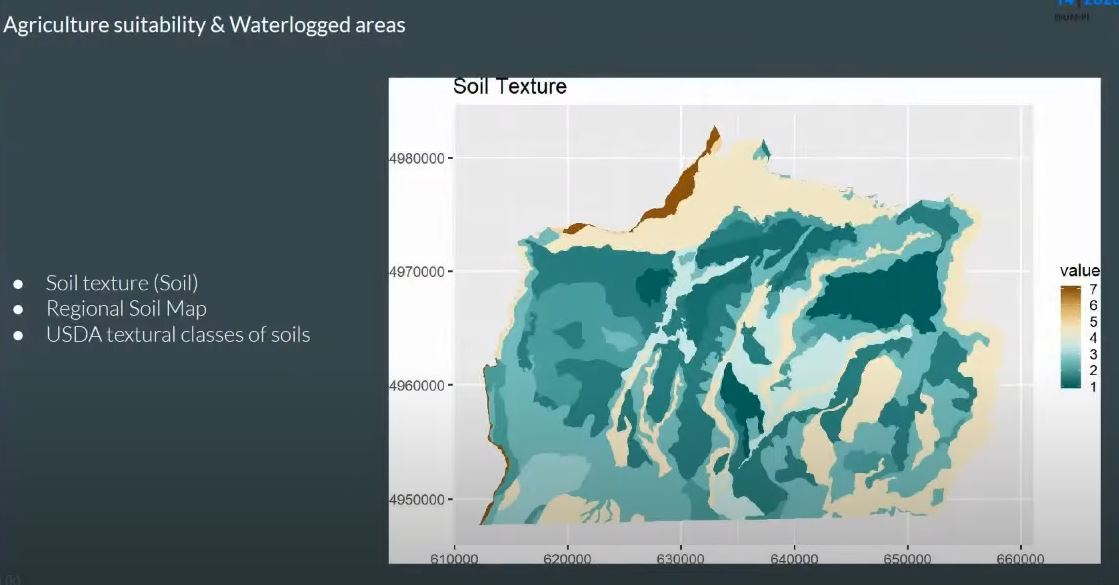
Archeofoss 2020 hosted “little minions”, by Timo Homburg and Florian Thiery. These are helper tools that reduce workload or optimize workflows in archaeology’s daily work. (abstract in https://zenodo.org/record/4002961#.YHgzlOgzaUk).
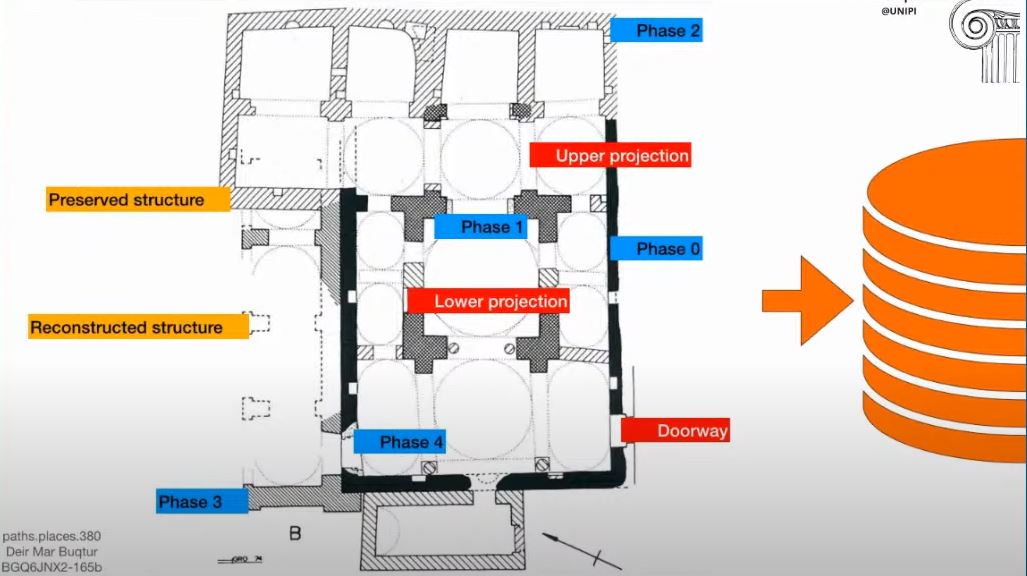
In Archeofoss 2020, Emanuel Demetrescu and Bruno Fanini gave a talk on the Extended Matrix methodology, an open source software 3d tools to transform archaeological record into a virtual reconstruction (abstract in https://zenodo.org/record/4002961#.YHgzlOgzaUk).
In recent years, the interest of scientific community in virtual reconstructive hypotheses has grown. Demetrescu and Fanini presented the EMtools and EMviq, which can help us to go back in time and “visit” the places we came from, going back to the past like in a real time machine.
A central aspect in the development of scientifically correct virtual reconstructive hypotheses is the possibility to manage complex cross-references of data and publish, not only the visual result of the reconstruction, but also all the data used to obtain it and, in particular, the sources, reasoning and interpretations.
The proposed innovative tools are based on the Extended Matrix (EMtools - https://github.com/zalmoxes-laran/EM-blender-tools). These tools allow transforming the stratigraphic archaeological record into formalized reconstructive hypotheses that tell us how a context must have appeared at a given time in the past. Then, using the 3D Extended Matrix Visual Inspector and Querier (EMviq - https://github.com/phoenixbf/emviq) this information can be seen in a scientifically correct virtual reconstructive scenario.
It is possible to review this presentation on YouTube: https://www.youtube.com/watch?v=OPt3XURTP0g or https://www.youtube.com/watch?v=bgkLcKsKtOA
Click here https://www.yumpu.com/en/document/read/65978476/archeomatica-international-2021-archeofoss and read the new Archeofoss 2021 pre acts conference.
Follow us on our social network!
Copia qui lo "short link" a questo articolo
www.archeomatica.it/{sh404sef_shurl}
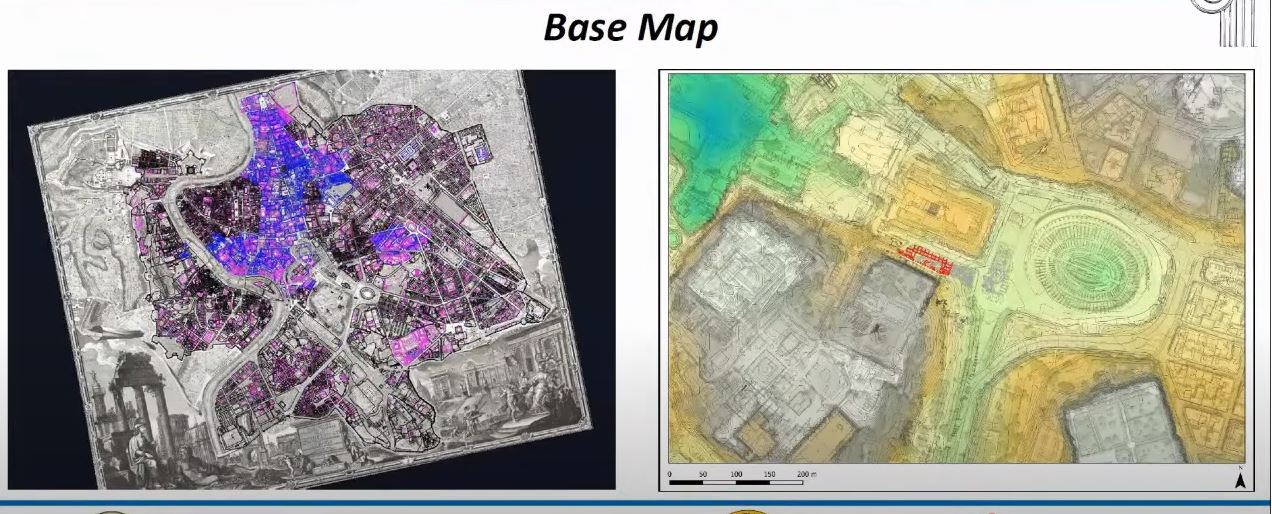
In Archeofoss 2020, Irene Carpanese presented A.R.C.A. (Archiviazione, Ricerca e Comunicazione del dato in Archeologia), an open-source software capable of publishing archaeological data on-line (abstract in https://zenodo.org/record/4002961#.YHgzlOgzaUk).
The goal of the software is to manage, in a simple way, archaeological data of different nature (textual to spatial or even 3D data), making them “scalable”: easily reusable independently of other projects and different institutions. The idea is to create a product that encourages the data holder/owner to make their information open and available.
The software was developed without a typical relational DB, in order to build a flexible and adaptive product able to communicate with different datasets and capable of interconnecting various data collected in multiple projects.
This project laid the cornerstone to develop A.R.C.A. itself. The software has big potential, but its growth depends on its use by the archaeological community, which can increase the quality and remove limits.
It’s possible to review this presentation on YouTube: https://www.youtube.com/watch?v=OPt3XURTP0g or https://www.youtube.com/watch?v=bgkLcKsKtOA
Click here https://www.yumpu.com/en/document/read/65978476/archeomatica-international-2021-archeofoss and read Archeofoss 2021 pre acts conference.
Follow us on our social network!
Copia qui lo "short link" a questo articolo
www.archeomatica.it/{sh404sef_shurl}
Archeomatica.it è una testata telematica registrata in data 5 marzo 2026 al n. 28/2026 del Registro Stampa del Tribunale di Roma. Direttore Responsabile: Michele Fasolo.