Nell' UCL Institute of Archaeology di Londra si terrà, il 22 maggio 2017, un workshop intitolato Digital Heritage 'Big' Data Hacking and Visualisation. Il workshop internazionale, organizzato da Chiara Bonacchi e Daniel Pett (British Museum), con il supporto del UCL Global Engagement Fund, UCL Centre for Digital Humanities e della Heritage Studies Section dell'Istituto, discuterà dell'uso della visualizzazione dei ‘big data’ per ingaggiare i cittadini con i risultati della ricerca nel passato umano e i collegamenti al contemporaneo.
L'evento sarà in lingua inglese.
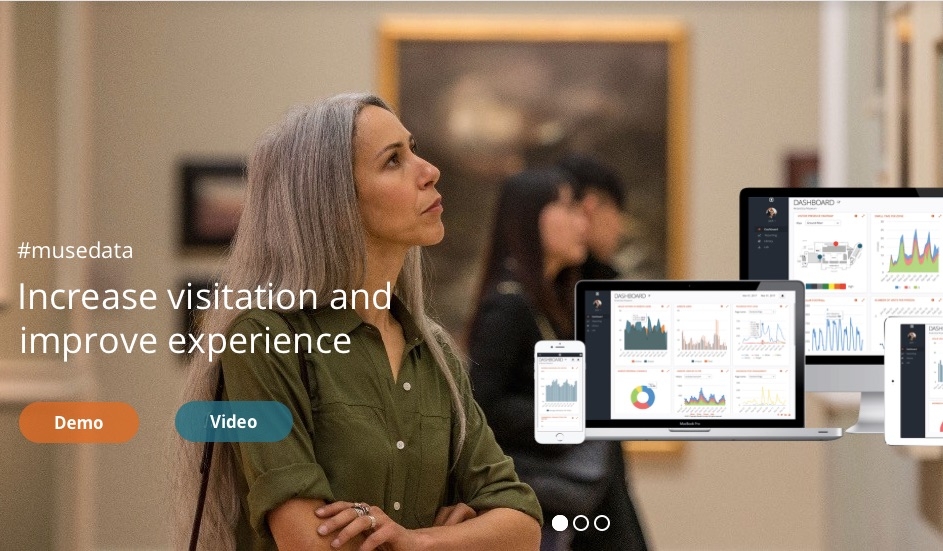
It will bring together perspectives coming from the creative arts, design, software development, cultural heritage and museum studies. Speakers and discussants will reflect over the principles that could and should be driving the development of digital applications for the public interpretation and communication of heritage research that is based on the analysis of relatively large, varied and rapidly changing quantities of data extracted from web infrastructures.
The workshop is linked to the Ancient Identities Today project, which is experimenting with approaches that combine the use of ‘smaller’ and ‘bigger’ data online and offline, to study and communicate the meanings and uses of ideas and materials from the Iron Age, Roman and Early Medieval pasts in contemporary Britain.
Programme
- 9.30: ‘Big’ Data and the Worlds of Heritage and Museum Practice and Research - Chiara Bonacchi, UCL Institute of Archaeology and Daniel Pett, British Museum
- 10.00: An overview on Digital Heritage Data Visualisation - Melissa Terras, UCL Centre for Digital Humanities TBC
- 10.30: Make it Useful, Make it Usable: Heritage, Archaeological and Museum Data in the 21st Century - Ethan Watrall, Michigan State University
- 11.30: Coffee Break
- 11.45: Big Data Gothic and Digital Archaeology - Shawn Graham, Carleton University
- 13.00: Lunch (provided for speakers only)
- 14.00: Matthew Battles, Berkman Klein Centre for Internet and Society at Harvard University
- 15.00: Patrick Wolfe, UCL Big Data Institute
- 16.00: Coffee Break
- 16.15: Discussion and conclusion. Principles for the Design of Digital Heritage ‘Big’ Data Visualisation - Discussants: Chiara Bonacchi, UCL Institute of Archaeology and Daniel Pett, British Museum
- 17.00: Reception
Registration
Any enquiries about the workshop may be directed to Chiara Bonacchi.